Lithium vs Lead-Acid Batteries for Low-Speed EVs: A Buyer's Cost Model
Should your tuk-tuks, mini trucks or micro cars ship with LiFePO4 lithium or lead-acid batteries? Compare cycle life, weight, charging and total cost of ownership.
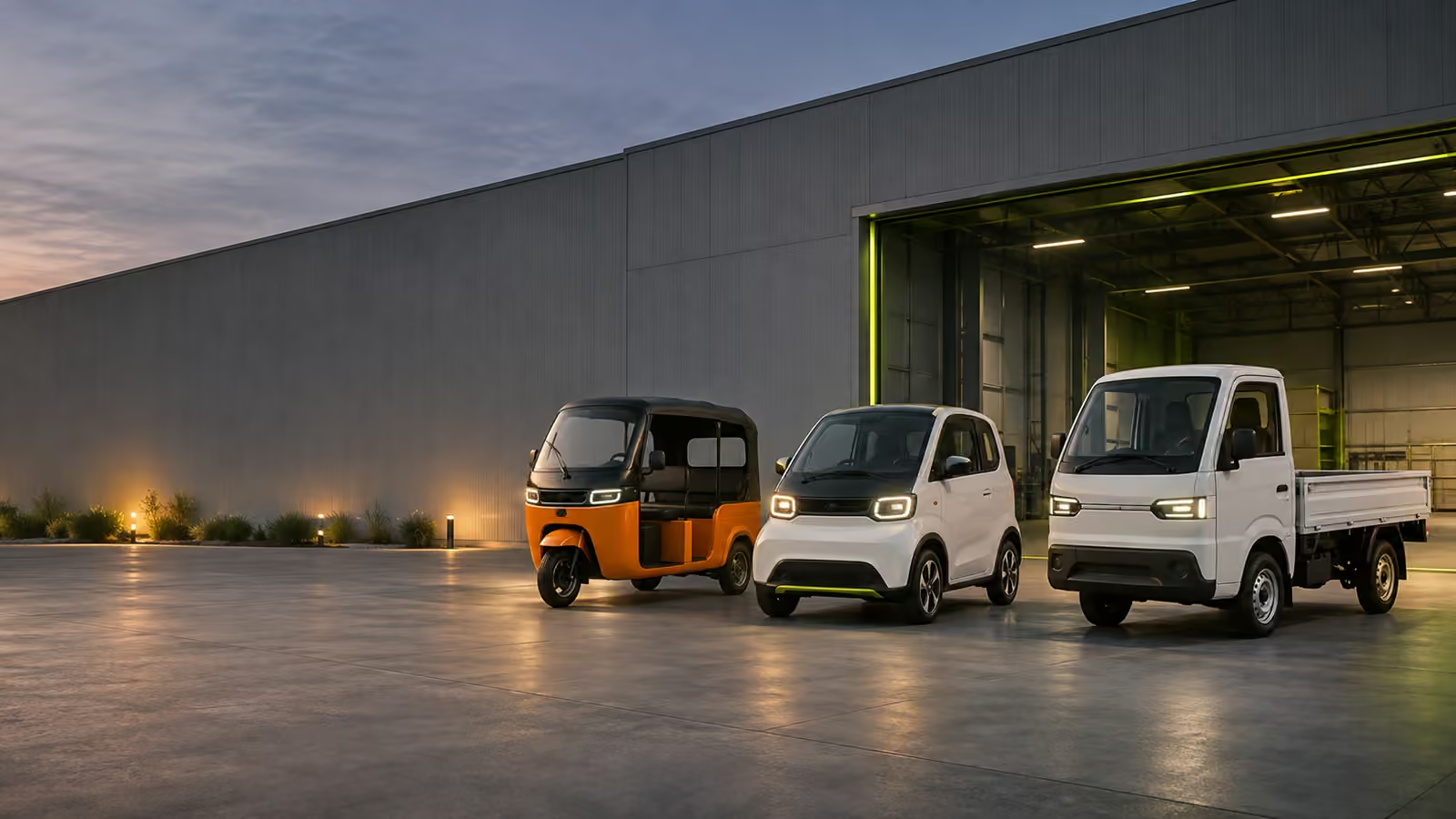
Short answer: Choose LiFePO4 lithium when vehicles work every day, carry heavy loads or must be light — it lasts several times more charge cycles, weighs far less and charges faster. Choose lead-acid when purchase price must be as low as possible, usage is light, and local workshops can easily replace batteries.
Almost every model in our catalogue can ship with either lead-acid or lithium iron phosphate (LiFePO4) batteries. The price gap at purchase is visible on the quotation; the gap over the vehicle's life is not. This article gives you a simple way to decide.
What is the difference?
Lead-acid packs (usually deep-cycle gel or AGM blocks wired to 60V or 72V) are mature, cheap and repairable anywhere. LiFePO4 packs use lithium iron phosphate cells with a battery management system (BMS). Of the lithium chemistries, LiFePO4 is the one favoured for commercial vehicles because of its thermal stability and long cycle life.
Side-by-side comparison
| Factor | Lead-acid | LiFePO4 lithium |
|---|---|---|
| Purchase price | Lowest | Higher |
| Typical cycle life | Hundreds of cycles | Thousands of cycles |
| Weight for the same energy | Heavy | Much lighter |
| Usable depth of discharge | ~50–60% recommended | ~80–90% |
| Charging | Slow; needs full charges | Faster; partial charges fine |
| Maintenance | Check terminals, avoid deep discharge | Largely maintenance-free (BMS) |
A simple cost-per-kilometre model
Divide the battery price by the total kilometres it will deliver over its life:
cost per km = battery price ÷ (cycles × km per cycle)
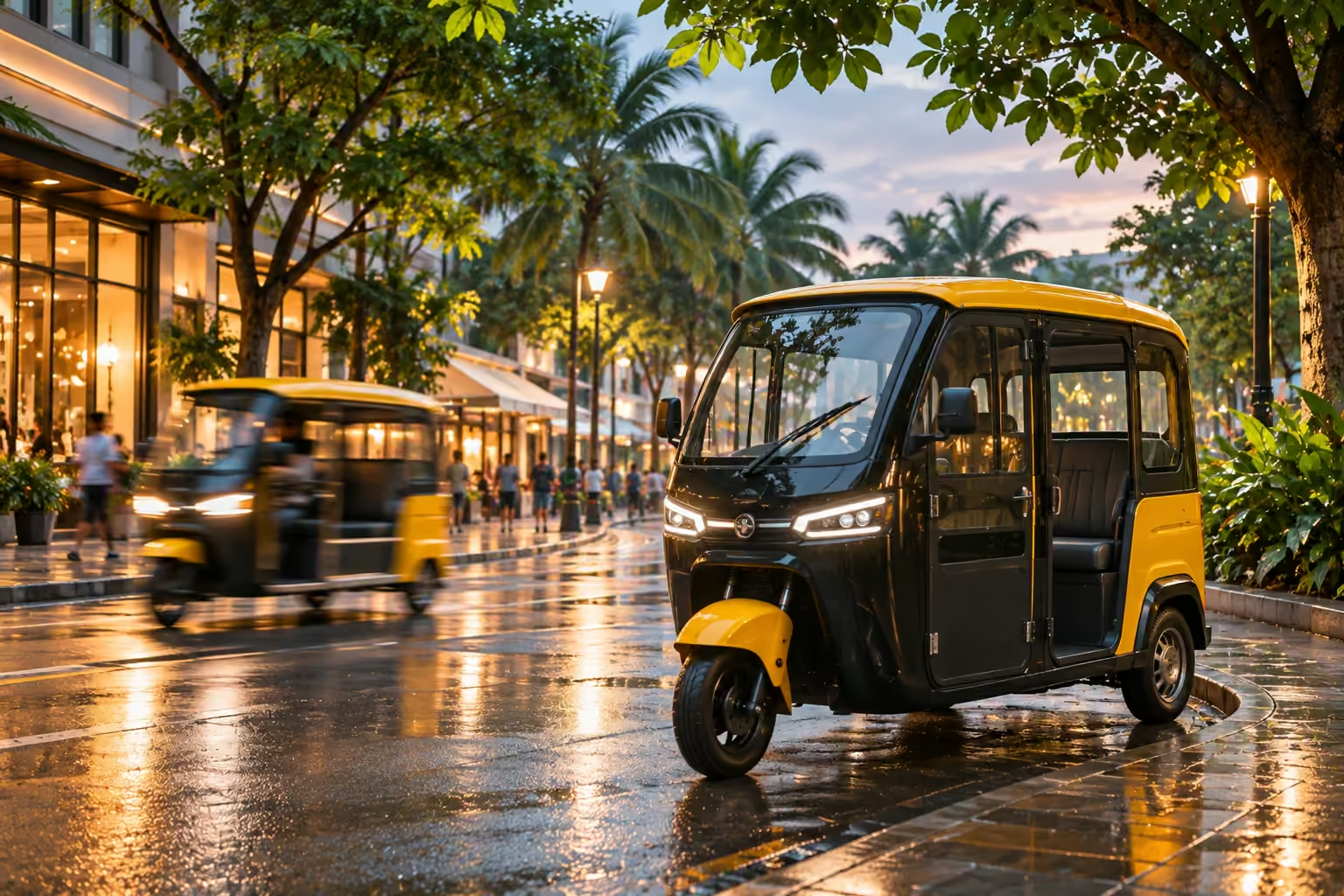
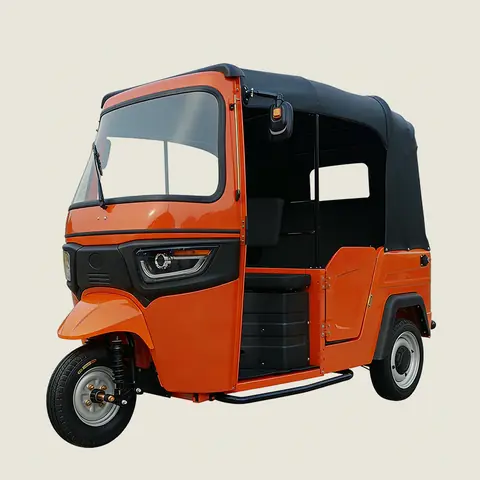
A taxi tuk-tuk running 100 km a day cycles its battery almost every day. A lead-acid pack that lasts a few hundred cycles may need replacing within the first year or two; a LiFePO4 pack rated for thousands of cycles can outlast several lead-acid sets. For daily-duty fleets, lithium is usually cheaper per kilometre despite the higher upfront price. For a resort shuttle that runs only at weekends, lead-acid can be the rational choice.
Why weight matters more than you think
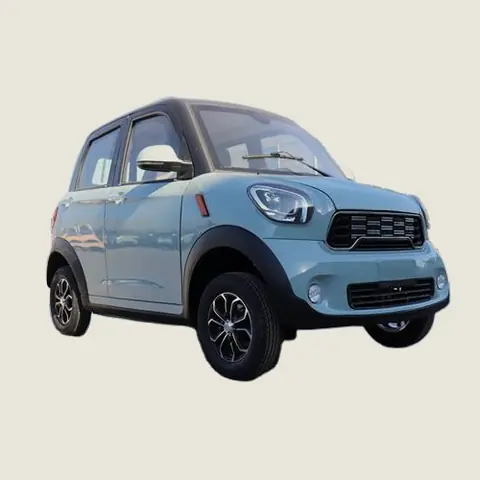
On a 72V tuk-tuk such as our stretched 7-passenger taxi, a lithium pack takes significant mass off the vehicle. That mass becomes payload — more passengers or cargo within the same rated load — and it reduces wear on brakes, tyres and suspension. For EU quadricycles, a lighter pack also makes handling noticeably better.
Climate considerations
- Hot climates: both chemistries age faster in heat; LiFePO4 tolerates heat better than other lithium types. Shade parking and ventilated battery boxes help.
- Cold climates: lithium cells must not be charged below freezing without heating; ask for a pack with low-temperature charge protection.
Our recommendation
- Daily commercial use (taxis, delivery, sanitation): LiFePO4.
- Price-led retail or light private use: lead-acid, with lithium offered as an upgrade.
- Mixed fleets: standardise on one voltage (60V or 72V) so packs and chargers are interchangeable.
Frequently asked questions
How long does a LiFePO4 battery last in an electric tuk-tuk?
LiFePO4 packs are typically rated for thousands of charge cycles, so in daily taxi use they commonly last several years — far longer than lead-acid packs under the same duty.
Can I convert a lead-acid vehicle to lithium later?
Usually yes if the voltage platform matches, but the charger and controller settings must be changed to suit lithium. It is cheaper and safer to specify lithium at the factory.
Is lithium more dangerous than lead-acid?
LiFePO4 is the most thermally stable common lithium chemistry and every pack ships with a BMS. Lead-acid has its own hazards (acid, hydrogen gas). Both are safe when charged with the correct charger.
Have a project in mind?
Send us your requirements and get a configured quotation.